Showing posts with label dog trainer. Show all posts

Saturday, October 14, 2017

IMPROVING YOUR DOGS RECALL MAY BE EASIER THAN YOU THINK

MEET BELLA

This is Bella, a 4 month old GoldenDoodle who has been staying with me for a few weeks to work on some Puppy HeadStart basics. In this video, she is practicing her off leash recall. She starts chasing a toy and is able to stop mid-chase and return to me.
Come should always be a fun and positive experience for your dog. Too often we use it gruffly once we get exasperated or to mean something the dog finds negative. We call them to COME when we want them to stop playing, to come inside, to go in their kennel, to take a bath - and all of these things can lead to a sluggish or even non-existent recall.
Think of it this way. Let's say you suddenly had a new boss at work.
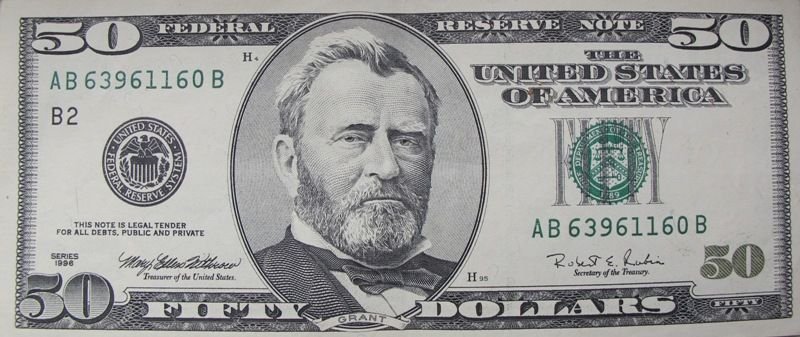
One day, they call you into their office. When you get there, they give you a $50 bonus and tell you they really appreciate all your hard work. The next day, it happens again. The next week, again. You very quickly start looking for ways to get their attention through the behavior they have been rewarding and head to the office quickly and happily when you hear your name. I mean - who wouldn't - you are getting praise and recognition for your efforts and a bonus that is high value to you.
IMG_3185.JPG
Dogs are no different - when we recognize and reward the behavior we like, we cause it to increase in frequency and reliability.
Now say you have the same scenario except half the time this happens and the other half is them giving you a task you dislike or telling you that you are not meeting their expectations. Now you start checking their body language when they call you, listening to tone, looking at their face...you go, but it is a much slower process. You likely still do what they ask for fear of repercussions (in dog training terms that would be a correction for not coming) but you can't trust the situation.
What if this same thing happened but you only ever got criticized or given tasks that you hated? Your efforts were never recognized and you experienced a physical cringe at the sound of your name... Some dogs feel this way about COME.
So how do we change that? It's actually quite simple.
Fullscreen capture 2142017 85917 PM.bmp.jpg
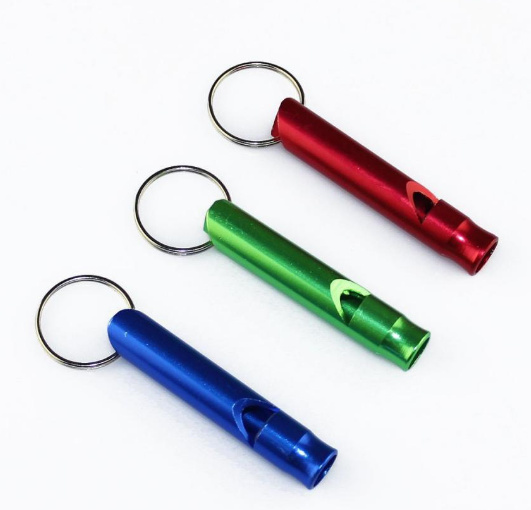
I use a whistle for my students because:
  • They cannot get gruff verbally with it.
  • It is a sound the dog usually has no preconceived feelings about so it is easy to set it as a positive only in their mind.
  • The sound carries well over a distance even in windy weather so you don't have to feel like you're yelling.
You start by simply deciding what sound you want to use - in my case I use 3 short pulses for COME. Some people use a mouth whistle, clap their hands, pat their legs or other sounds. I do find that those do not tend to carry sound as well outside but certainly use whatever is most comfortable for you. I tend to hand clap indoors and whistle outside.
Starting in a quiet space, make the sound you want to use and as soon as your dog looks over to see what it was about - say YES! excitedly. They will probably start to come over to you. Kneel or squat down - this change in body language encourages them to come more quickly. Once they get to you, praise and reward with something they find very rewarding.
For GRYPHON, my Rough Collie for instance, this could be food but given a chance to play ball is more rewarding for him in active exercises so he would get to do some retrieves with his favorite toy. FIZZGIG is a tugger so when she comes, she loves a chance to tug on her favorite scruffy. LUKA, he is all about the food - he doesn't play much so trying to reward him with the same thing as GRYPHON would not work for him.
Here are some 9wk old foster pups working on the same behavior -
It has to be what is important to them - something they are willing to work for, to get excited about and something that shares our joy with them.

NOTICE WE DID NOT USE THE WORD COME AT ALL HERE

That is because it is easier for a dog to associate a new behavior with a cue word when they are ACTUALLY DOING the behavior than us just repeating it over and over.
Say you were trying to learn a new language and you want the word for walking. You are sitting at a cafe and the person teaching you can explain it several ways:
  • They simply say the word to you over and over while you are sitting at the table. They may give you other body language cues but generally they just say the word to you. It can be very difficult to understand what they want. Asking a dog to COME when they have no idea what that means is the same. You tell them to COME while they stand and look at you and you are creating an association with standing there instead of one with coming to you.
  • The person teaching you gets you moving by either getting you to follow them out of the cafe or leading you gently. Once you start walking - they smile and say YES! and then give you the word for "walking". As you keep walking, they reinforce that is correct by continuing to encourage you and say the word as you are doing the behavior (walking). Much easier isn't it?

SO WHAT'S NEXT?

Once your dog can respond to your sound in a relatively quiet space - you want to start increasing criteria one step at a time. Don't jump from the living room when no one is home to the dog park...that's not fair LOL
Gryphon and I recently played the COME GAME at our local Tractor Supply with a total stranger to him. New environment, new person and he still thought it was the best game ever. If something ever happens and your dog is running loose - wouldn't you rather have them go to a stranger then continue running loose? How many dogs are lost or hit by cars because they just won't go to anyone?
Criteria that you can increase include:
DISTANCE - How far away can you be and they still respond?
DISTRACTION - Different environments, practicing around other pets, kids, inside, outside...
DIVERSITY OF REWARD - Will they recall for a toy instead of food? What about a chance to go on a car ride? What other types of things do they find rewarding?
The basics of this are simple - be that $50 giving new boss you loved to work with above. Recognize effort. Reward success. Pay them well, with things they find valuable and you will have an amazing recall in no time!

Saturday, February 18, 2017

DROP IN LEVELS GROUP STARTING SOON!


Want a PAY AS YOU GO training option?  DROP IN GROUPS are the solution!

The TRAINING LEVELS system was designed by Sue Ailsby and has formed the basis for many service, sport, show and companion dogs training.  This DROP IN LEVELS GROUP is based on her old levels system and has 7 levels to work your way through at your own pace.

Behaviors covered combine Obedience, CGC, Tricks & Manners and can be built on for everything from basic house manners to Therapy and Service Dog work.

DROP IN GROUPS are held at the same time and location every week and you come as and when you can.  You pay as you go each time you come.  You work on whatever Level behaviors you are working on at the time with the support of both myself and others who are working through their own training. 

Each level culminates with a test for that Level, which you can earn certificates and prizes for.  While this is a DROP IN system - RSVPs are required as space is limited.  All dogs must be up to date with age appropriate vaccinations or have a current titer test.

PRICING
1 HOUR Session $20
2 HOUR Session $35 (SAVE $5/session)

More info about this group can be found here:

UPCOMING GROUP CLASS


Want to take a group class with your puppy or dog?  The next one is scheduled for March 16th at Tractor Supply in Bluefield, WV.  Class is limited to 4 teams so be sure to register early to secure your space!

WALK IN CANINE GOOD CITIZEN TESTING


Is your dog ready to take their CGC, CGCA or CGCU test?  Join me at Tractor Supply in Bluefield, WV on the first Thursday of every month for Walk In Testing!

Tuesday, February 14, 2017

PRODUCTS ARE ARRIVING!


I now have the following products for sale:

FOAM HANDLE TARGET STICKS [top left] - extend to 4' long - comes in Blue, Red, Green & Yellow -$5.00
CLICKER HANDLE TARGET STICK [bottom right] - extends to 13" - $7.00

(Not sure what they are for - read about it here:
http://thinkpaws.blogspot.com/2017/01/targeting-what-is-target-stick-part-1.html)

RECEPTION DESK POTTY BELL [bottom middle] - great for dogs that use their paws - comes in Black or Pink base - $4.00
Shopkeeper Bells for more Nose inclined dogs are on the way!


DOGZILLA TREAT POD MEDIUM FEEDING TOY [middle left] - excellent, rugged toy that is used just like a KONG - $8.00

MINI YUMZIES TRAINING TREATS [main image] - BBQ Chicken, Hickory Bacon, Cheese & Peanut Butter flavors - 5oz bag - $5.00

ZUKES MINI TRAINING TREATS [bottom left] - Savory Salmon, Wild Rabbit & Super Berry flavors - 6oz bags - $6.00

NOW AVAILABLE FOR SALE - CLICKER OPTIONS


I usually use a combination of the first two items:
PIPE WHISTLE [great for recall work] - $2.00
DOG TRAINING CLICKER w/ WRIST STRAP [Blue Only] - $2.00

COMBO CLICKER w/ INBUILT WHISTLE - $4.00
ON SALE UNTIL FEB 28th - $2.00

INSECT CLICKER - 3 PACK - $4.00
Great for shy or nervous dogs, much quieter click

BUY ANY OF THESE HERE:
http://www.thinkpawsitivepup.com/p/training-resources.html

Saturday, January 28, 2017

PRODUCT REVIEW - KUUK Vegetable Chopper (for cutting dog roll into training treats)

My first official product review!  I saw on Facebook someone was using an onion chopper/vegetable dicer to cut dog roll into training treats...brilliant!  For anyone who has trouble with their hands like me, or just wants a faster, easier and less messy way to cut the dog roll down - this is your answer!


Saturday, January 21, 2017

USING GO TO MAT TO STOP DOOR DASHING AND TEACH APPROPRIATE GREETINGS

GO TO MAT / PLATFORM WORK is a skill I think every dog should have.

It stops so many issues in their tracks and literally saves dogs lives.  If your dog reliably knows how to go to their place (I recommend a raised bed of some sort) - you can change so many behaviors:

Gorgeous Giant Schnauzer pup - SIRIUS - practicing on his mini trampoline
* No more door dashing
* No more jumping on guests when they arrive
* No more going crazy at the sound of the doorbell / mailman / delivery drivers
* No more begging at the table
* No more chasing the cats
* Makes teaching Wait/Stay much easier
* Teaches impulse control and patience

Rocky rocking out his matwork!

Pups are never too young to learn and it is easy and fun to teach.  That gorgeous pup there is Rocky who is staying with me for my STAY & LEARN HEADSTART program.

Here is a look at his most recent training footage for his family (not a how to video).  It is all about choice - and having fun which you can see he is!


You can pair the behavior of going to the mat/bed/spot with a sound that may be triggering behaviors you don't want. Miss Luna did really well with her first attempts at learning to Go To Mat when she heard a knocking sound.

This is a great way to teach excited dogs an alternate behavior for when company comes over.  We are also using it to curtail her desire to rush out the door after the kitties when they are being fed.

I love these particular Pet Cots - easy to put together, washable covers and
durable as long as you don't leave them to be chewed on...LOL
Here is ONYX, a Lab pup working on learning to Stay while toys are being thrown around for distraction.  When they can master this - they really can master changing any of the above mentioned behaviors!


Not sure where to start - join me in my ONLINE CLASSROOM for a 4 wk FASTRAK FOCUS course on this or as part of many of the other classes offered there.

SAMPLES ARE ARRIVING!


When Tractor Supply and I started working together to offer local group classes, I reached out to several pet food/treat vendors to see if they wanted to provide samples for our group Swag Bags and the response has been wonderful.  There is nothing like coming home to see packages waiting for you!  A full thank you list is coming!

Tuesday, January 17, 2017

TARGETING - WHAT IS A TARGET STICK? (PART 1 of 3)


Target sticks are a tool that many trainers use - and not just for dogs.   Horses, cats, birds, dolphins, seals and even fish can be taught with a target stick.

SO WHAT IS IT?
For this purpose of this discussion - I am referencing a stick of some sort that has a distinctive end which you want your dog to touch with their nose.  They come in extendable varieties, some with clickers built in and can even be made from something as simple as a chopstick and styrofoam ball.  Or heck, you can just use a wooden spoon.

Here are just a few of the ones I have stored up - a plastic children's baton, a bit of wooden dowel with chair leg caps on it and a teachers toy I found one year at Target.


I have used (and really like) Terry Ryan's Clik Stik with the built in clicker but they are pricey (ranging from $14-$25 depending on where you find them) so I started looking for other options.


My new target sticks arrived last week and I really like their potential. They have a nice sized foam handle - especially good for kids or people with difficulty in their hands and they extend out to 4 feet.

The tip is small but if someone wants to start with a larger size ball on the end and then decrease the size - I use styrofoam craft balls for that.


Dogs haven't minded touching the styrofoam but the texture seems to keep young ones (or mouthy older pups) from trying to bite them. [Of course, use common safety means when working with pups and styrofoam.]  I have these for sale for $6 (plus shipping if I can't deliver to you)

I have another type coming with clickers built into the handle (similar in idea to the Click Stik but very different in design) so we'll see how they compare.  They look good...I have only ordered 3 to start and once they arrive (if they are good quality) I will have them for $12 (plus shipping if I can't deliver)

**I really need to get some product reviews underway for these new items coming in**

Have you ever used a target stick?  What behaviors did you teach with it? Comment below to share with us!

Friday, January 13, 2017

HOW TO STUFF and USE A KONG or KONG WOBBLER


As I was prepping KONG toys for the furkids,  I realized not everyone knows about these great options for Doggie Brain Games and Mental Stimulation exercises.

WHAT IS A KONG EXACTLY?

KONG itself is a company that makes a great range of toys for dogs but many people refer to other types of similar toys by the same name. Generally these are made of rubber or a similar polymer and you can fill them with kibble or treats for a dog to get out.

WHY WOULD YOU STUFF ONE?

Stuffable toys like KONGS can serve many purposes:
  • Mental Stimulation - dogs that are easily bored, hyper or need daily challenges can really benefit from this type of enrichment.
  • Slow Down - some dogs eat far too quickly and inhale their food and this is one of many great options to slow them down, reducing the chances of complications like choking or bloat.
  • Confidence Building - winning at this game can provide dogs that are insecure or anxious with a well deserved confidence boost for interacting with their environment.
  • Crate Destressor - some dogs are stressed by their handlers leaving for the day and giving them a puzzle like this is a great way to take their mind off of the act of the handler leaving and refocus it to a positive - dogs with anxiety disorders may not be able to redirect, but a dog that is simply fussy can often come to see this "prize" as a real highlight and begin to look forward to their daily crate time.
  • Variety - This type of toy breaks up the day for any dog and gives you a chance to offer different types of food/reward in a controlled exercise.

SO HOW DO YOU USE IT? WHAT DO YOU USE TO STUFF IT?

There are lots of recipes that you can use,  and a lot of Kong type toys, but the most basic process is to use it to feed meals with basic kibble and a stopper of something like peanut butter, canned dog food, cream cheese or canned pumpkin. Having said that, I know people who use banana, mashed potato or even raw meat pieces to fill the end. It depends on what your dog finds rewarding!

You can also mix things into the kibble part itself like dry treats,  apple or carrot slices or cheese cubes (but I will say the cheese tends to clump the kibble together and if your dog isn't determined enough it can just frustrate them).


GETTING SETUP
  • Toys to Fill 
  • Kibble 
  • Peanut Butter
  • Cream Cheese
  • Treats 
  • Apple or Carrot 
  • Cheese 


Putting down a section of cling film makes this much easier.   It stops anything falling out and creating a mess in your freezer. 

WHY FREEZE?  
A frozen Kong lasts longer, presents more of a challenge and can help teething puppies gums feel better. 

FILLING
If the toy has a small hole on one end,  like a standard Kong,  you will not need to do anything except fill it with kibble and a stopper of your choice. 

If you are using another type of toy like the Kong Dental or Dogzilla toys,  with a larger hole on both ends,  you want to cover one of the holes with your filler first. I am using peanut butter or cream cheese here. Once you fill that hole,  turn the toy upside down on the cling film and fill with kibble.   (If you are using apple or carrot,  put that in first then fill the kibble to the top around it. 


Taking too long or making a mess with the kibble?  If it is small enough kibble,  use a funnel... 
Don't have a funnel?  Take a sheet of paper and roll into a funnel-like shape... 

Don't have a piece of paper?  Ummmmm... That is probably beyond the purview of this article. 


So you have the Kong full - now just cap the remaining hole with your choice of filling, pull the cling film up/around it and freeze overnight. 


You don't need to let them thaw first - the whole point is to have the dogs work for it so give it to them straight from the freezer. Check the specifics of each toy, but in general, hot soapy water is enough to clean them or a occasional run through the dishwasher is fine for most of them. 


KONG WOBBLERS

Wobblers are like giant Weeble Wobbles - they weeble and they wobble and they throw food around...but that's half the fun!  Unlike the other KONG type toys, these are a hard plastic with a weighted bottom, not rubber. 


All you need to do for this is twist off the bottom and fill the toy with kibble. They do come in a few sizes (the pink and blue are Puppy ones).  Make sure your kibble is small enough to come out of the hole otherwise you get a frustrated doggie slamming the toy into your walls! 


Normally you wouldn't add anything over the hole in these but some dogs struggle with how to get started. When I first gave this to a recent boarding pup, he looked at me like - "What am I supposed to do with that"?  LOL   I added some peanut butter to give him a headstart and after the first session, he didn't need any filler - just his kibble.

Then there are other dogs, like Barrow here that get it straight away.


Either of these options can be a great way to help your dog learn some problem solving skills, keep them entertained for awhile and offer a novel approach to feeding time. They'll thank you for it!

Sunday, January 1, 2017

PRE-CLASS ORIENTATION NOTES


Welcome to Think PAWsitive! Our goal is for you to begin a positive and fun working relationship with your dog.  Here are a few tips to get you started.  

These notes apply to all of our sessions whether Puppy, Big Dog, Trick, C.L.A.S.S., CGC, Service and Therapy Dog Prep or Sport.  

Our training techniques are completely positive; we use a lot of motivational incentives including the Fab 5 - Praise, Play (toys), Food, Touch (Affection / Massage) and Access to Resources - combined with Clicker/Marker training philosophies. 


GETTING STARTED 

WHAT SHOULD I HAVE READY BEFORE OUR FIRST SESSION?
Properly fitted collar and 4-6” flat leash.  Head collars and harnesses (including front clips) are allowed but no prongs, chokes, ecollars or Flexi leashes.
A small mat/rug or a raised bed - yoga mats work great for this!
A clicker if you choose to use one (recommended)
Treat pouch and treats - something about the size of a pea - see our Recommended Training Treats page for some good ideas
A high value tug/reward toy – keep this set aside for just training times instead of normal play


 BASIC GUIDELINES
About 10 minutes before our session, settle and toilet your dog.  If you need to take your dog out at any point for a potty break, please do!
Please don’t feed your dog a full meal before their session. They will be more responsive if they are a little hungry, and as they could be getting a lot of calories from their training treats, you don’t want them to gain weight!  If you are going to toy train, make sure it is a tug toy that keeps them engaged with you - especially with toy training - it is all about what THEY find reinforcing!
Have your clicker and treat pouch ready with a variety of treats ranging from low to high value (cut to size).
We will be using your dog’s mat or platform for them to settle down on when not actively working.
You will receive detailed written handouts throughout the course. The cost of this is included in your course fee. Please feel free to take notes if you like, but you will get plenty of information.  It is available by email or printed.  Just let us know which you prefer!
Feel free to have a friend or family member with you to help you if you like.  Children are always welcome to come and participate.  If they are too young to participate, please bring something to entertain them as it can be quite boring for little ones.
If at any point you feel like we are moving too fast or you don’t understand something - please stop me and ask - the beauty of this system is it is all about what works for YOU!


ISN'T THIS BRIBING MY DOG?


First of all, there is a difference between a bribe and a reward. The bribe comes first, before the behavior; the reward comes after the behavior. It's an important distinction, because "bribing" is not an effective way to train, but rewarding/reinforcing is. If you bribe, your dog will only perform the behavior if there's a piece of food in front of him first. If you reward, then your dog will perform the behavior in hopes of earning that piece of food. And after the learning phase, when that behavior is fluent you can start to phase out the food rewards.

WILL I ALWAYS HAVE TO CARRY TREATS AROUND?
You won't always use treats - we will use them regularly while teaching the behavior and then randomly thereafter.  Don't be stingy with them in the beginning - use plenty of good, high value treats to start, then you can mix in kibble or some lower value treats or other types of reward like play/affection. This is your dog's paycheck.  We are asking them to do things that they may not want to or see a benefit in, but they do because they know there is something worthwhile coming after they do.  It is no different than us going to work everyday.

TREATS:  As far as treats are concerned, you should prepare a fairly good sized quantity of very small treats to use in class or in your training sessions. The size of the treats should depend on the size of the dog, but in general, each individual treat should be no larger than a pencil eraser. If you forget treats or need something more yummy on a given night, we have treats for sale before and after class.

If you’re still searching for that magic treat that your dog will love or you want to try something new, here are some great ideas from dog walkers, groomers, vets and trainers:

Brandi C.  Squeeze cheese!
Krissii F.  Tennis balls!
Stephanie F. Lickety Sticks!
Barbara L.  Chicken breast – she prefers the prepackaged kind – or string cheese.
Laurelin S.  Cheese (string or cream), buffalo liver or sweet potato!
Jo J. Bread and butter; dismembered natural gummy bears; tuna flakes.
Paula K.  My dogs’ favorites have turned out to be thinly sliced hotdogs microwaved until they are curly and crispy!  And for dogs not motivated by food: I had a dog in one of my classes who was not food motivated, so I asked the dog’s owner what was the dog gaga for at home and he answered “the feather duster”. I said, bring it in, and the dog worked for the chance to maul that duster ( it was pink, and the owner was a former Marine)!
True Dog  Tricky Trainers Salmon Flavor Cloud Star Treats, Buddy Biscuits Lamb flavor Treats, Bil-Jac Liver flavor, wet dog or cat food in a small dish, couple licks as a reward.
Marie N.  Freeze dried chicken. It’s like crack to her.
Judy M.  Diced Natural Balance food logs!
Deb M.  Try a fox tail tied to a 2- 2 1/2 ft length of clothesline. Stick it in your back pocket and haul out for a quick rewarding game of tug. Training your dog to be both food and toy motivated is the best!
Noelle B.  For Brewster, if anything is going to get his attention, hot dogs will. But not even that works with a really intense distraction. Other things that work most, but not all the time, are chicken, cheese, and Zuke’s Mini Naturals.
Stacy S. ‎Riddick’s Treats (bison liver treats are like crack to them)
Marge R.  I hate to say it – sausage, egg and cheese biscuit. What can I say? He gets to choose what is most reinforcing.
Laurie W.  Canine Carry Outs! Easy to find and inexpensive.
Kristel S.  Frozen meatballs, pieces of roasted chicken or salmon-flavored Zukes are Murphy’s favorites:-)
Elisabet N.  Freeze dried beef liver, and cat food.
Angelina W. Vienna sausages!
Jackie D.  Home-dried liver, smoked cheese, barbecue chicken, liver sausage…
Jennifer B.  Shady Brook cooked turkey meatballs..doggy crack!
Jenifer R. My dog who used to be HIGHLY leash reactive would turn himself inside out for Gorgonzola if he could!
Ann W.  Peanut Butter. I fill one of the little Tupperware midgies, put the lid on, and when I need to get past some other dogs on the trail, I pull the lid off and let my dog lick at it until we’re past.
Ashley C.  Deli rare roast beef and/or a squeeze tube of liver paste.
Laurie M.  Baby food meat, dehydrated mini hamburger pieces, roasted and frozen beef roast or chicken breast.
K9Capers dog day center  Blueberries and celery!
Cheryl C.  Steak – when we are going to a new event/new place I grill up steak the night before.
Jen R.  Boiled and diced beef heart does it every time for mine.
Elana B.  Diced chicken gizzards. I nuke the package for about 10 minutes and then dice them into training treat size. Way cheaper than anything from PetSmart or PetCo and not made in China!
Katie G.  Dehydrated beef lung!
Nancy B. Boiled chicken cut up into small pieces is the highest value treat. Hot dogs second.


TREAT/BAIT POUCH:  You will need a bag for your treats, and (optionally) a clicker. We have treat pouches and clickers available to purchase. If you do not have a treat pouch already, I strongly recommend you purchase one of these pouches; they are sturdy, washable, and will last for years.

TRAINING EQUIPMENT:  Please bring your dog on a plain buckle collar, head halter or harness (choke chains and pinch collars will not be permitted). Bring your dog on a 4’ or 6’ leash; a short leash or tab will also be helpful for some of the exercises.  We have tabs (very short handle leads) available for purchase as well.

WEAR COMFORTABLE SHOES with low or no heels such as sneakers. You will be walking and turning quite a lot so comfort is essential. With most of the little dogs, I sit on the floor with them so if you want to sit on the floor make sure to wear comfortable clothes as well.

PHOTOGRAPHY
We will sometimes take photographs or short video clips of training in progress. These might be posted on our website, shown in training workshops or possibly used in a future book. You have the right to say you don’t want to be photographed. If you want to take your own photographs, please ask the person or the owner of the dog involved for permission.

EXPECTATIONS:  The first night of class is always a little hectic and distraction is so high that most dogs need a bit of time to settle in.  Don't be surprised if your dog has some trouble paying attention.  This is normal!  As long as you understand how to teach the behavior, you can work on it at home and usually get a better, more focused response.