Showing posts with label video. Show all posts

Saturday, October 14, 2017

IMPROVING YOUR DOGS RECALL MAY BE EASIER THAN YOU THINK

MEET BELLA

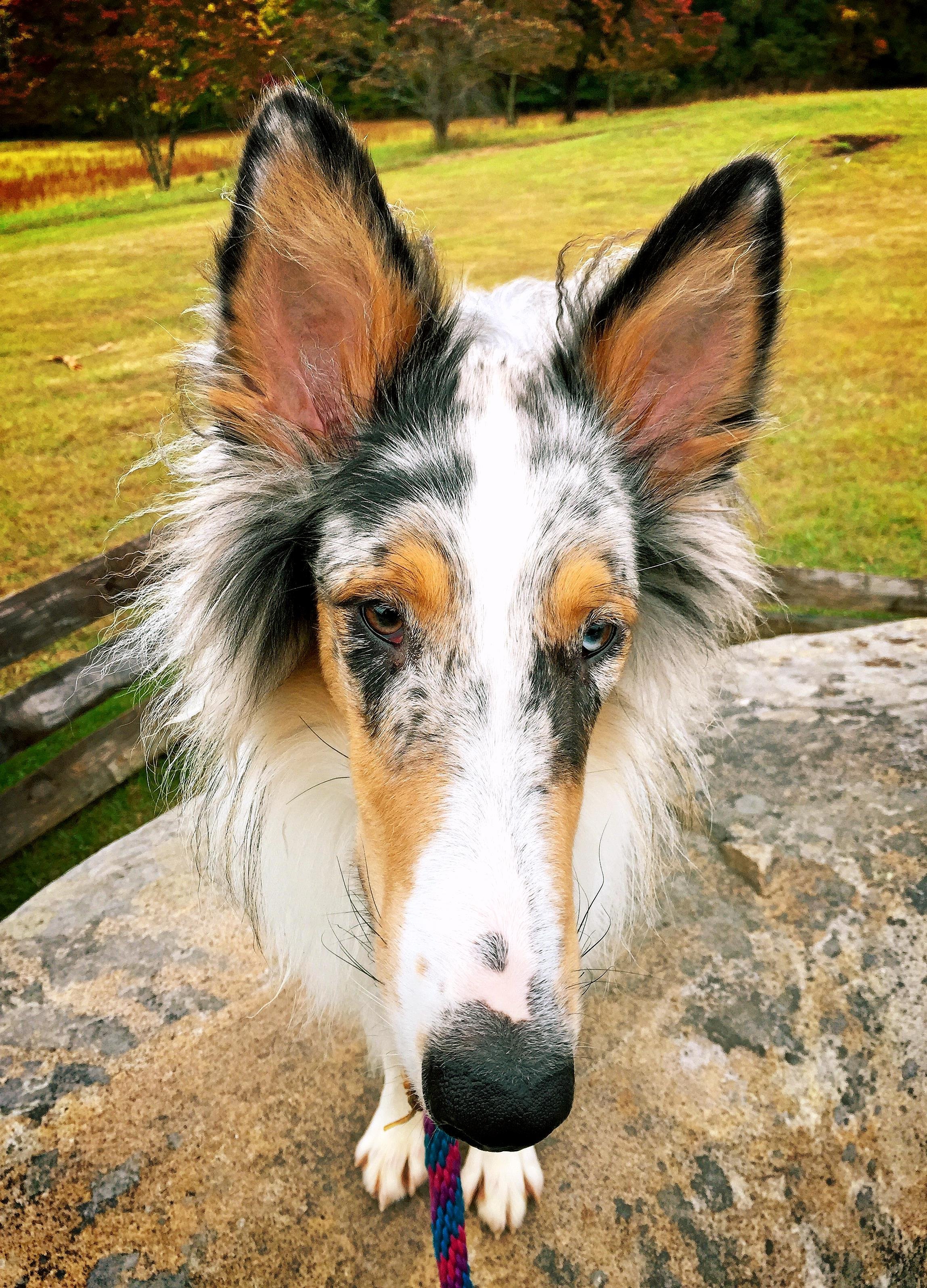
This is Bella, a 4 month old GoldenDoodle who has been staying with me for a few weeks to work on some Puppy HeadStart basics. In this video, she is practicing her off leash recall. She starts chasing a toy and is able to stop mid-chase and return to me.
Come should always be a fun and positive experience for your dog. Too often we use it gruffly once we get exasperated or to mean something the dog finds negative. We call them to COME when we want them to stop playing, to come inside, to go in their kennel, to take a bath - and all of these things can lead to a sluggish or even non-existent recall.
Think of it this way. Let's say you suddenly had a new boss at work.
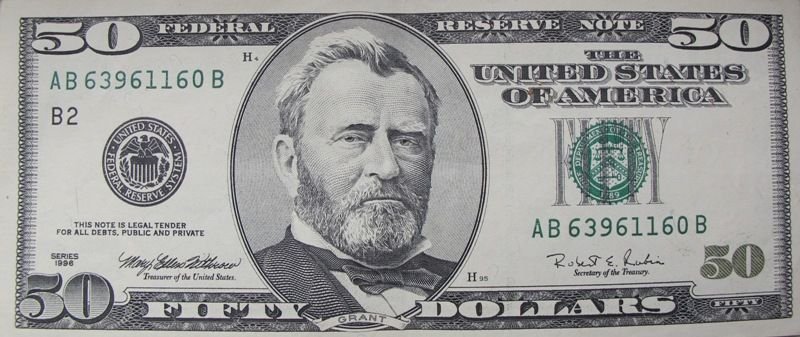
One day, they call you into their office. When you get there, they give you a $50 bonus and tell you they really appreciate all your hard work. The next day, it happens again. The next week, again. You very quickly start looking for ways to get their attention through the behavior they have been rewarding and head to the office quickly and happily when you hear your name. I mean - who wouldn't - you are getting praise and recognition for your efforts and a bonus that is high value to you.
IMG_3185.JPG
Dogs are no different - when we recognize and reward the behavior we like, we cause it to increase in frequency and reliability.
Now say you have the same scenario except half the time this happens and the other half is them giving you a task you dislike or telling you that you are not meeting their expectations. Now you start checking their body language when they call you, listening to tone, looking at their face...you go, but it is a much slower process. You likely still do what they ask for fear of repercussions (in dog training terms that would be a correction for not coming) but you can't trust the situation.
What if this same thing happened but you only ever got criticized or given tasks that you hated? Your efforts were never recognized and you experienced a physical cringe at the sound of your name... Some dogs feel this way about COME.
So how do we change that? It's actually quite simple.
Fullscreen capture 2142017 85917 PM.bmp.jpg
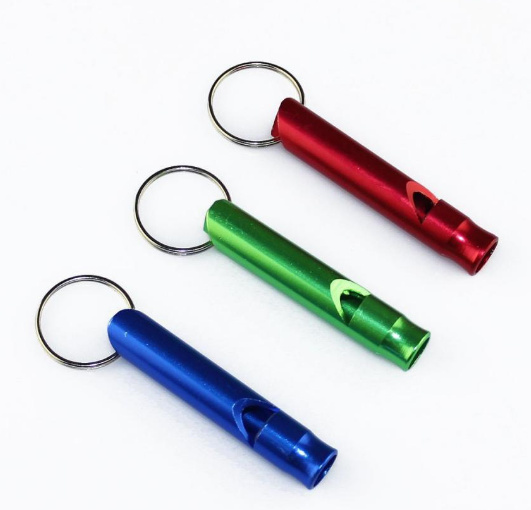
I use a whistle for my students because:
  • They cannot get gruff verbally with it.
  • It is a sound the dog usually has no preconceived feelings about so it is easy to set it as a positive only in their mind.
  • The sound carries well over a distance even in windy weather so you don't have to feel like you're yelling.
You start by simply deciding what sound you want to use - in my case I use 3 short pulses for COME. Some people use a mouth whistle, clap their hands, pat their legs or other sounds. I do find that those do not tend to carry sound as well outside but certainly use whatever is most comfortable for you. I tend to hand clap indoors and whistle outside.
Starting in a quiet space, make the sound you want to use and as soon as your dog looks over to see what it was about - say YES! excitedly. They will probably start to come over to you. Kneel or squat down - this change in body language encourages them to come more quickly. Once they get to you, praise and reward with something they find very rewarding.
For GRYPHON, my Rough Collie for instance, this could be food but given a chance to play ball is more rewarding for him in active exercises so he would get to do some retrieves with his favorite toy. FIZZGIG is a tugger so when she comes, she loves a chance to tug on her favorite scruffy. LUKA, he is all about the food - he doesn't play much so trying to reward him with the same thing as GRYPHON would not work for him.
Here are some 9wk old foster pups working on the same behavior -
It has to be what is important to them - something they are willing to work for, to get excited about and something that shares our joy with them.

NOTICE WE DID NOT USE THE WORD COME AT ALL HERE

That is because it is easier for a dog to associate a new behavior with a cue word when they are ACTUALLY DOING the behavior than us just repeating it over and over.
Say you were trying to learn a new language and you want the word for walking. You are sitting at a cafe and the person teaching you can explain it several ways:
  • They simply say the word to you over and over while you are sitting at the table. They may give you other body language cues but generally they just say the word to you. It can be very difficult to understand what they want. Asking a dog to COME when they have no idea what that means is the same. You tell them to COME while they stand and look at you and you are creating an association with standing there instead of one with coming to you.
  • The person teaching you gets you moving by either getting you to follow them out of the cafe or leading you gently. Once you start walking - they smile and say YES! and then give you the word for "walking". As you keep walking, they reinforce that is correct by continuing to encourage you and say the word as you are doing the behavior (walking). Much easier isn't it?

SO WHAT'S NEXT?

Once your dog can respond to your sound in a relatively quiet space - you want to start increasing criteria one step at a time. Don't jump from the living room when no one is home to the dog park...that's not fair LOL
Gryphon and I recently played the COME GAME at our local Tractor Supply with a total stranger to him. New environment, new person and he still thought it was the best game ever. If something ever happens and your dog is running loose - wouldn't you rather have them go to a stranger then continue running loose? How many dogs are lost or hit by cars because they just won't go to anyone?
Criteria that you can increase include:
DISTANCE - How far away can you be and they still respond?
DISTRACTION - Different environments, practicing around other pets, kids, inside, outside...
DIVERSITY OF REWARD - Will they recall for a toy instead of food? What about a chance to go on a car ride? What other types of things do they find rewarding?
The basics of this are simple - be that $50 giving new boss you loved to work with above. Recognize effort. Reward success. Pay them well, with things they find valuable and you will have an amazing recall in no time!

Friday, March 17, 2017

SERVICE DOG SATURDAY - TASKING SKILLS - PRESSURE THERAPY

WHAT IS PRESSURE THERAPY

Pressure Therapy is one of many helpful tasks a Service Dog can be trained to do to assist their handler with pain, spasms or light mobility issues. It breaks down differently depending on the individual handlers needs. Essentially, it involves a dog applying their body weight in different ways to help with various aspects of their handlers condition.
I see many handlers benefit from this task in so many ways. This can range from acting as a focus for grounding/anxiety to calming muscle spasms or support during seizure activity to learning to apply and shift their weight on specific acupressure points. In my case, my Service Dog in training, Gryphon, is learning 3 types of pressure therapy for assisting with my Fibromyalgia/MS symptoms and Anxiety response.
New Image3.jpg

LPT - Light Pressure Therapy

The dog places a small amount of weight, usually with their foot, head or rear, onto their handler. This small weight is not generally enough to ease physical symptoms but can be very helpful during anxiety attacks, PTSD flashbacks or dissociation. They provide a focus for their handler to use as a grounding point which helps the handler avoid a full blown attack.
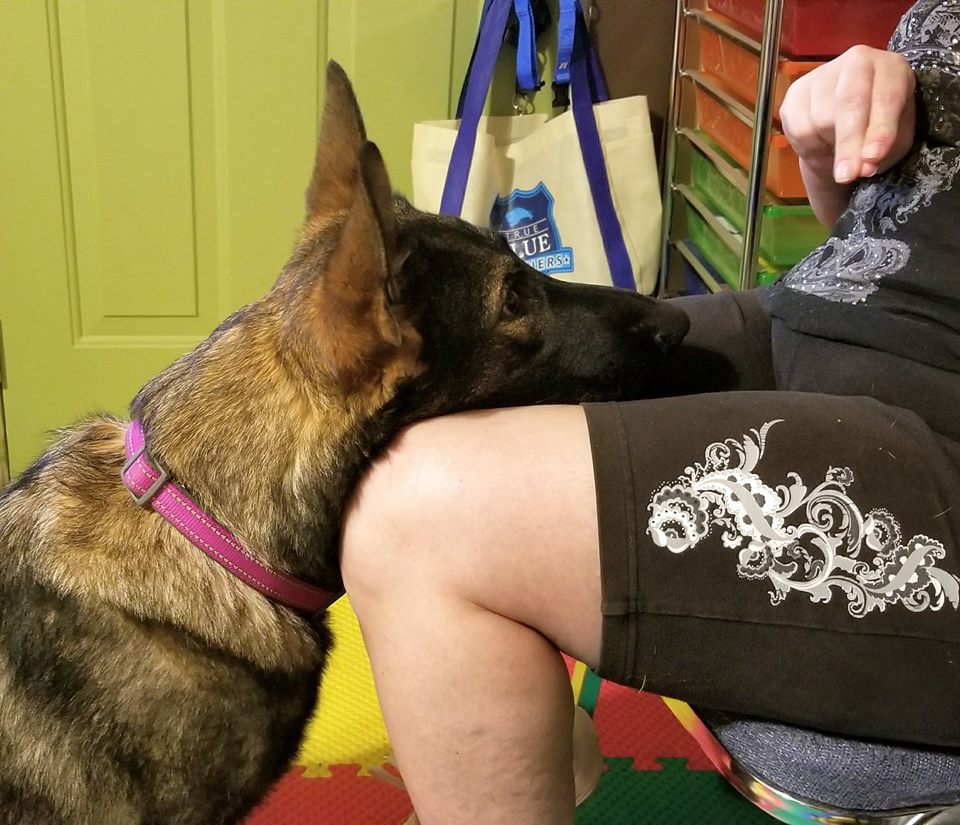
In this instance, the dog is taught to touch the handler with their paw or rest their head across the handlers lap when they notice early signs of distress like an increase in respiration, nervous or agitated behavior or any other cue the handler may have taught them to respond to. This task is not about the weight of the dog, but simply the act of interruption in most cases.
21462716_1748545578537419_1894465659674843531_n.jpg
LUNA, a German Shepherd pup, is learning LPT with her Mom in one of my group classes
This behavior is taught in three stages.
  • Decide WHEN the behavior is needed - when should the dog do this?
    To count as a legal TASK for service work, the skill needs to be a trained response that can be replicated ON CUE - not a natural unshaped behavior.
This is one of the defining differences between Service Dogs and Emotional Support Animals (ESA) that naturally respond but are not trained. Emotional Support Animals provide their disabled handlers with companionship and comfort however as of 2011, ESAs are NOTcovered under current ADA laws which means they are NOT allowed public access to non-pet friendly places like stores, restaurants or similar locations. Only trained Service Dogs are protected under the Americans with Disabilities Act (1990).
  • Decide what cue/body language the dog should respond to - Breathing changes? Foot tapping? Hand clenching?
  • Decide how the dog should respond - for larger dogs, a head across the lap is often used but some dogs sit/stand on their handlers feet, put their paws onto their handler's lap and some small dogs will stand on their handler's chest. All of these are valid responses and it will vary depending on what helps the individual handler the most.

DPT - Deep Pressure Therapy

In this task, the dog places a substantial amount of weight onto their handler, often with large dogs this is at least half of their body. This is a targeted behavior (meaning the dog generally lays across a specific part of the body). The weight of the dog can ease muscle spasms, helps control body movements during seizures, stabilize tremors etc. It has also been paired with certain alerts in which the dog makes the handler remain still until the danger they are alerting to has passed (blood sugar dropping, heartbeat/blood pressure irregularities, vertigo).
Gryph is doing one version of DPT in this video. I had a rough day with muscle spasms and he places his legs and front half of his body over my legs/ hip and then his head over my ribs. Even when I told him he could get up ("Free"), he continued to lay with me. What just looks like a dog snuggling to most people can actually be a very helpful task. He weighs about 75lbs and was probably applying about 30lbs of that weight over my ribs and back, similar to a weighted blanket.

PPT: Pressure Point Therapy

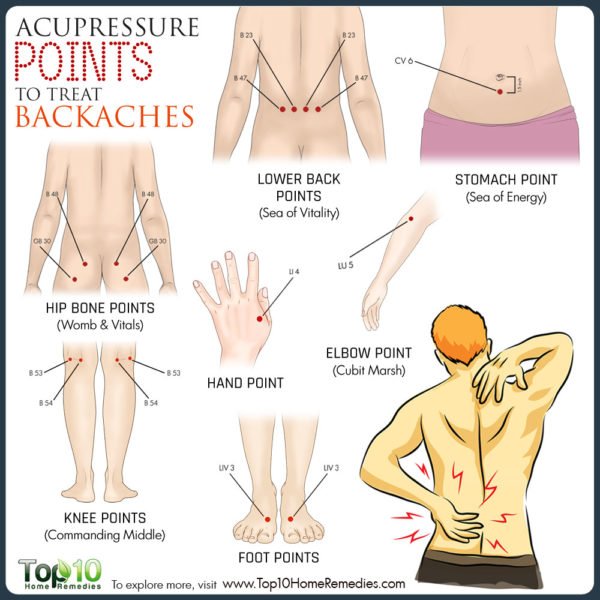
This is a much more complex task we are still working on but essentially involves the dog being taught to target a particular part of the body or pressure point and stand on that point to stop spasms or relieve pain. They are taught to shift their weight for more or less pressure as needed. This involves the dog understanding several complex behaviors and being able to chain them together into one task.
  • Foot Targeting - placing their foot on the spot/mark indicated
  • Stay/Steady - to remain there until asked to move
  • Weight Shift - understanding how to lean in or away as needed to increase or decrease the pressure being applied
So if a handler asks for their dog to provide PPT to their lower back, the dog could be taught to target specific points along the spine and apply pressure until asked to move to another point or move away. Yes, pretty much a canine massage! Not many dogs are currently trained in this but I think it will be very helpful to chronic pain sufferers with conditions such as Fibromyaglia, Lupus, MS or Arthritis.
1-acupressure-points-for-back-600x600.jpg
http://www.top10homeremedies.com/news-facts/important-acupressure-points-back-pain-relief.html

HOW DO YOU EVEN START TRAINING A DOG TO HELP WITH THIS

Many times cost and long waiting lists (which can average 2-5 years in some cases) make it difficult for handlers to get a dog and they decide to begin training their own. While this is certainly allowed, it is a hard road if you aren't working with a good trainer. Less than 30% of dogs who start the journey to becoming a Service Dog succeed. It is physically and mentally taxing work and it takes a lot of patience, perseverance and good training to make it happen.
I have several resources available to help with the process.
Fullscreen capture 10142017 40417 PM.jpg
https://www.facebook.com/groups/329574914180670/
I run a free group on FaceBook that offers training support on everything from Basic Obedience & Manners to Public Access and Tasking Skills.
It is based on a combination of Sue Ailsby's Training Levels (Canadian Service Dog Trainer), C.L.A.S.S (Canine Life and Social Skills), the AKC CGC series of tests and basic PA and tasking skill building.
It is an active working group so I do ask that people participate (there are no deadlines but you can post to the PRACTICE THREAD until you are ready to post the final behavior).
If you don't want to be part of an active group - here are the links just for more info:
SUE AILSBY'S TRAINING LEVELS
http://sue-eh.ca/page24/page26/styled/
APDT C.L.A.S.S (they offer certificates but you don't have to take any tests - you can just do the skills training)
https://mydoghasclass.com/students/
I also offer training support locally (Southern WV/VA) with group classes, private sessions and boarding programs as well as offering an Online Classroom for eLearning.

Saturday, January 28, 2017

PRODUCT REVIEW - KUUK Vegetable Chopper (for cutting dog roll into training treats)

My first official product review!  I saw on Facebook someone was using an onion chopper/vegetable dicer to cut dog roll into training treats...brilliant!  For anyone who has trouble with their hands like me, or just wants a faster, easier and less messy way to cut the dog roll down - this is your answer!


Saturday, January 21, 2017

USING GO TO MAT TO STOP DOOR DASHING AND TEACH APPROPRIATE GREETINGS

GO TO MAT / PLATFORM WORK is a skill I think every dog should have.

It stops so many issues in their tracks and literally saves dogs lives.  If your dog reliably knows how to go to their place (I recommend a raised bed of some sort) - you can change so many behaviors:

Gorgeous Giant Schnauzer pup - SIRIUS - practicing on his mini trampoline
* No more door dashing
* No more jumping on guests when they arrive
* No more going crazy at the sound of the doorbell / mailman / delivery drivers
* No more begging at the table
* No more chasing the cats
* Makes teaching Wait/Stay much easier
* Teaches impulse control and patience

Rocky rocking out his matwork!

Pups are never too young to learn and it is easy and fun to teach.  That gorgeous pup there is Rocky who is staying with me for my STAY & LEARN HEADSTART program.

Here is a look at his most recent training footage for his family (not a how to video).  It is all about choice - and having fun which you can see he is!


You can pair the behavior of going to the mat/bed/spot with a sound that may be triggering behaviors you don't want. Miss Luna did really well with her first attempts at learning to Go To Mat when she heard a knocking sound.

This is a great way to teach excited dogs an alternate behavior for when company comes over.  We are also using it to curtail her desire to rush out the door after the kitties when they are being fed.

I love these particular Pet Cots - easy to put together, washable covers and
durable as long as you don't leave them to be chewed on...LOL
Here is ONYX, a Lab pup working on learning to Stay while toys are being thrown around for distraction.  When they can master this - they really can master changing any of the above mentioned behaviors!


Not sure where to start - join me in my ONLINE CLASSROOM for a 4 wk FASTRAK FOCUS course on this or as part of many of the other classes offered there.

Monday, January 9, 2017

BABY FOOD TRAINING DOTS

While we are on the subject of treats - here is a super simple recipe using only three ingredients to make a ton of healthy training treats...my guys give it 2 Paws Up!

Friday, January 6, 2017

CGC TEST VIDEO EXAMPLE


Here is a great short video showing exactly what the CGC test entails - if you are considering getting this certification with your dog - this should help clear up any concerns!


Remember - Walk In Testing is available on the first Thursday of every month and CGC classes run on a regular basis.  Just ask for more details!


Thursday, January 5, 2017

TEACHING A DOG A SUSTAINED HAND TARGET

This are great follow ups to your TOUCH cue.


Why would I want to use a sustained hand target?  

Anything that helps you keep your dog still can be made useful with a sustained touch.  It can make grooming like ear and eye cleaning easier, medical treatment including vaccinations and the ever dreaded rectal temperature taking easier (your vet will LOVE you) and it teaches IMPULSE CONTROL which is important for so many behaviors...

Great!  So how do I start to getting them to extend the length of time they are touching my hand?

It just so happens we have 2 brilliant guest videos to share with you - have a look!


Wednesday, January 4, 2017

JUST NO! - IMPORTANT WARNING FOR DOG/CHILD INTERACTIONS

PARENTS - SERIOUSLY - THIS IS HOW YOUR CHILD GETS BIT - THIS IS NOT FUNNY, CUTE, OR ACCEPTABLE IN ANY WAY!!!

Please do not let your child hit, pull, ride, bounce on or otherwise annoy the dog and then get mad when the dog reacts!  This is so very damaging to dogs hips and backs especially in dogs whose growth plates have not yet closed.


Lip licking, yawning, squinting eyes, closing their mouth when panting - they are all signs that the dog is stressed...and just because the dog has allowed it before doesn't mean it is okay...

SIMPLE RULE OF THUMB - If you wouldn't want someone to do it to you or your child - don't let your child do it to a pet!